From a Single Cabin to Hundreds of Homes: The Story of Nanonest and Nanonest Texas
Our story
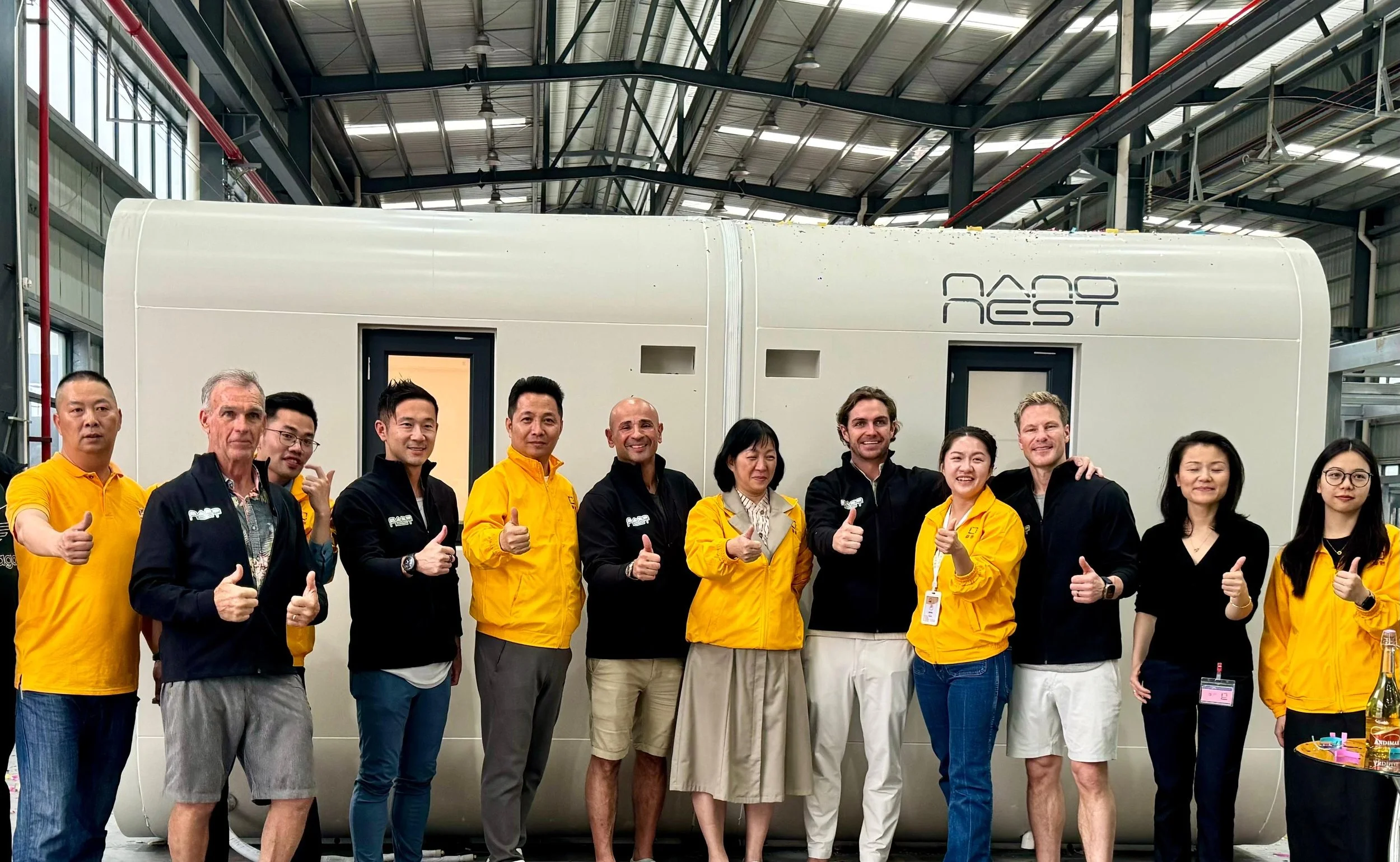
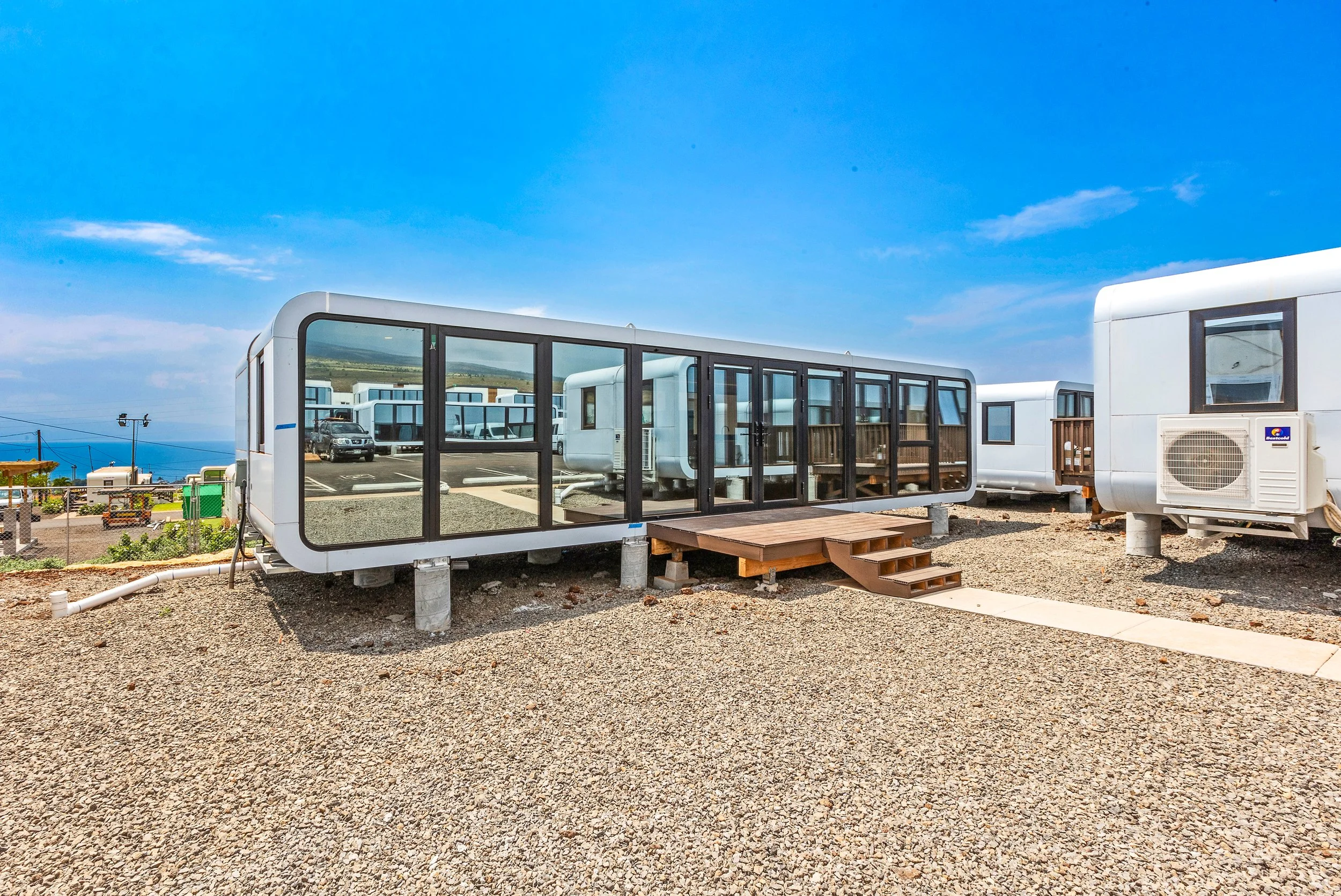
It started with a problem that wouldn’t wait: Forrest Dell had just bought agricultural land on Hawaii’s North Shore and needed a small dwelling that could go up fast—without Hawaii’s sky-high construction costs. While searching for alternatives, he discovered something unexpected: a sleek, glass-forward prefab cabin from China built on a steel frame with aluminum paneling—modern, shippable, and priced at a fraction of local new construction. Just as importantly, the market was wide open. No major player seemed to “own” this space. That gap became the spark that turned one cabin into a company: Nanonest.
By spring 2023, Forrest invited Khalid Halabi to Hawaii to see the unit firsthand. Khalid flew out in June—and immediately saw the potential. He offered to help scale the concept from Texas, and soon after he joined Forrest as a founding partner to build the Nanonest brand and drive sales. To prove the model outside the islands, they ordered a second unit and shipped it to Houston. Khalid set it up as a hands-on showroom—something prospects could walk through, touch, and trust.
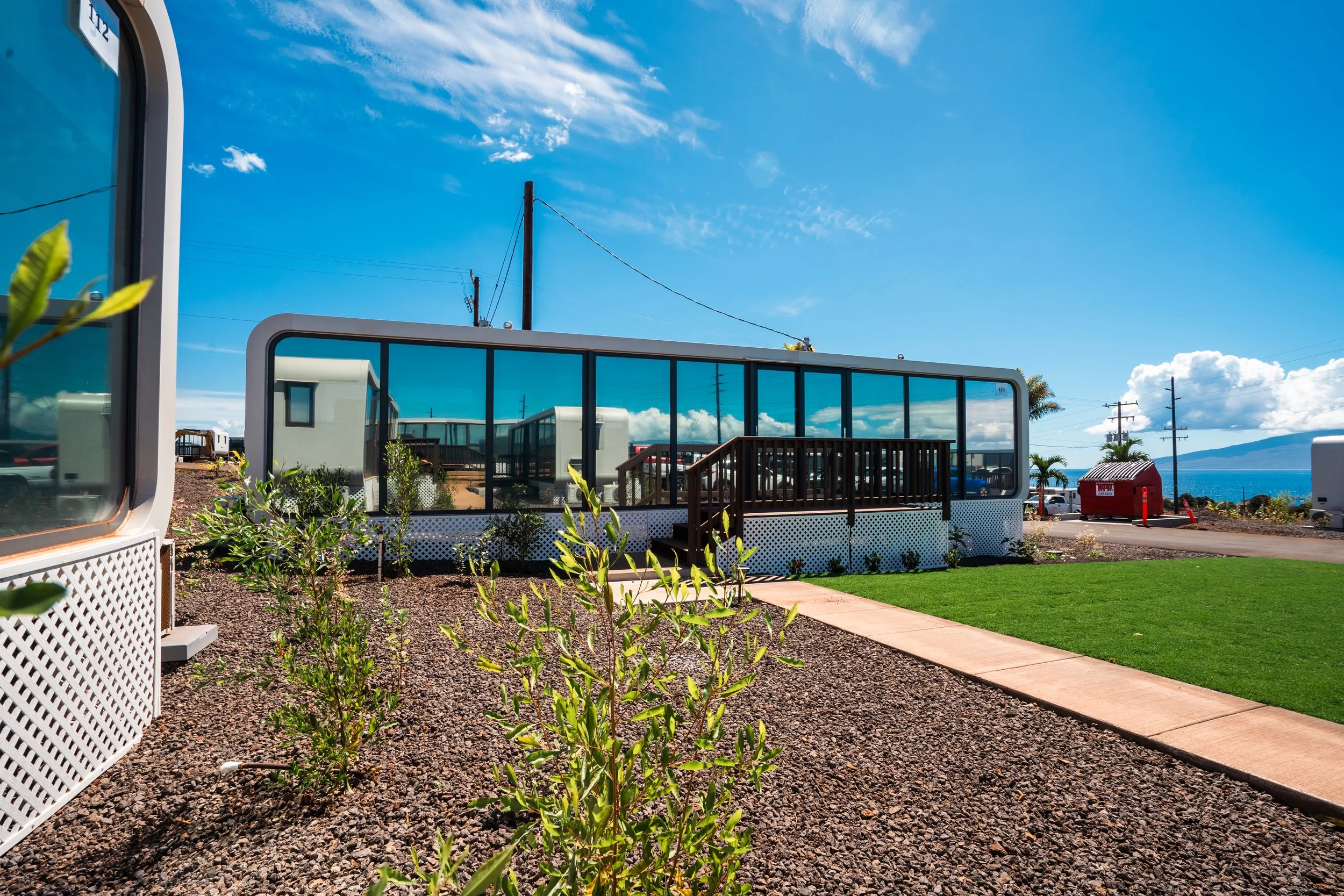
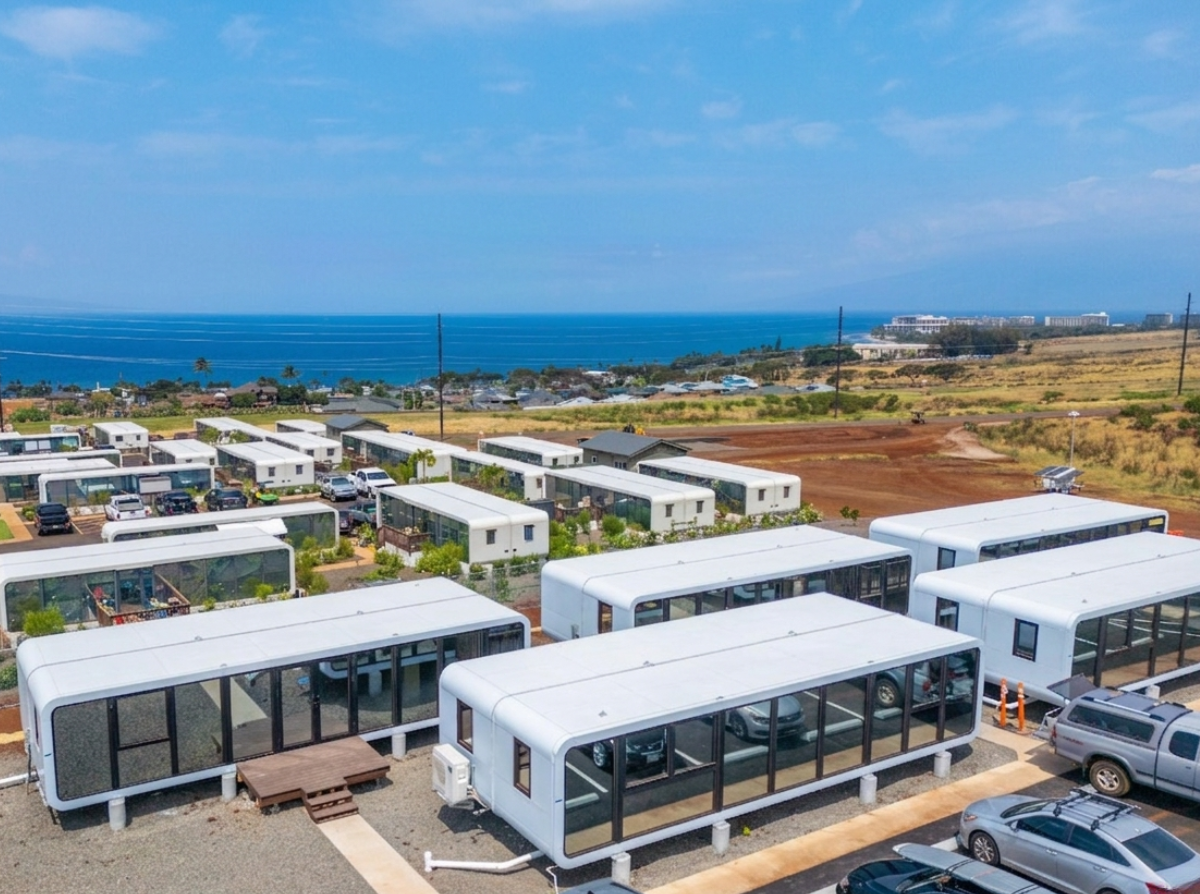
The early months were a grind. Leads were scarce, and buyers were understandably skeptical of a new, unfamiliar product manufactured overseas. Then, in summer 2023, everything changed: the State of Hawaii found Nanonest through online ads while searching for rapid housing options during the Maui relief effort. The prototype on the North Shore was still a bit rough, but officials could see where this was going. After reviewing the improved Texas unit, Hawaii awarded Nanonest a contract for 130 units for Phase 1 of temporary housing. When the NGO originally responsible for installation had to withdraw due to logistical challenges, Nanonest stepped in and managed deployment themselves. In 2025—impressed by manufacturing speed and on-the-ground installation—Hawaii awarded Phase 2 for an additional 160 units. With each wave of orders, the design tightened, the build quality improved, and the operation grew up fast.
To better serve local demand and move faster in-state, Khalid formed NanonestTexas as a separate entity from Nanonest, headquartered in Austin. The structure gave Texas operations their own runway—local decision-making, a distinct go-to-market strategy, and room to tailor the product for Texas codes, climate, and customer expectations—while still building on the hard-earned lessons and product improvements coming out of Hawaii.
The work wasn’t easy. With limited resources, startup growing pains, and a steep learning curve, the team still delivered and installed nearly 300 units—homes that now shelter Lahaina fire survivors.
In late 2024, Khalid refined the platform again—this time into the Nanonest Texas Edition. The updates focused on what matters most in the Texas market: more living area, added insulation, and a layout designed for everyday functionality. Texas Edition units can be delivered equipped with two split HVAC units, kitchen counters, an induction cooktop, a tankless water heater, bathroom vanities, roller blinds, a shower, and LED lighting.
Today, NanonestTexas is focused on giving Texans a housing option that’s cost-effective without feeling cheap—minimalist, functional, and built to last. The goal is simple: keep improving the product, keep expanding access, and ultimately bring more assembly and manufacturing to Texas as the company scales.